Atlanta History Center
History lives in Atlanta.


Beauty
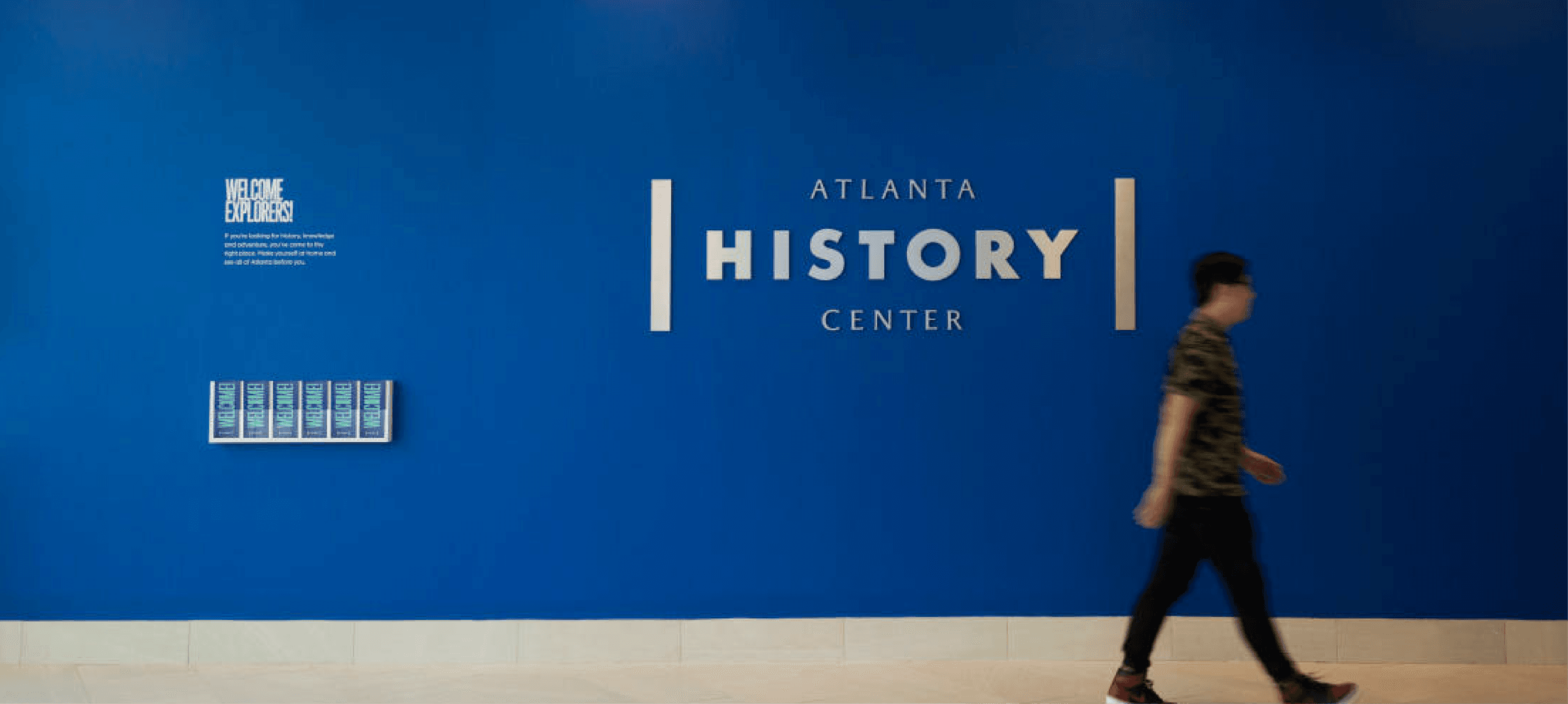
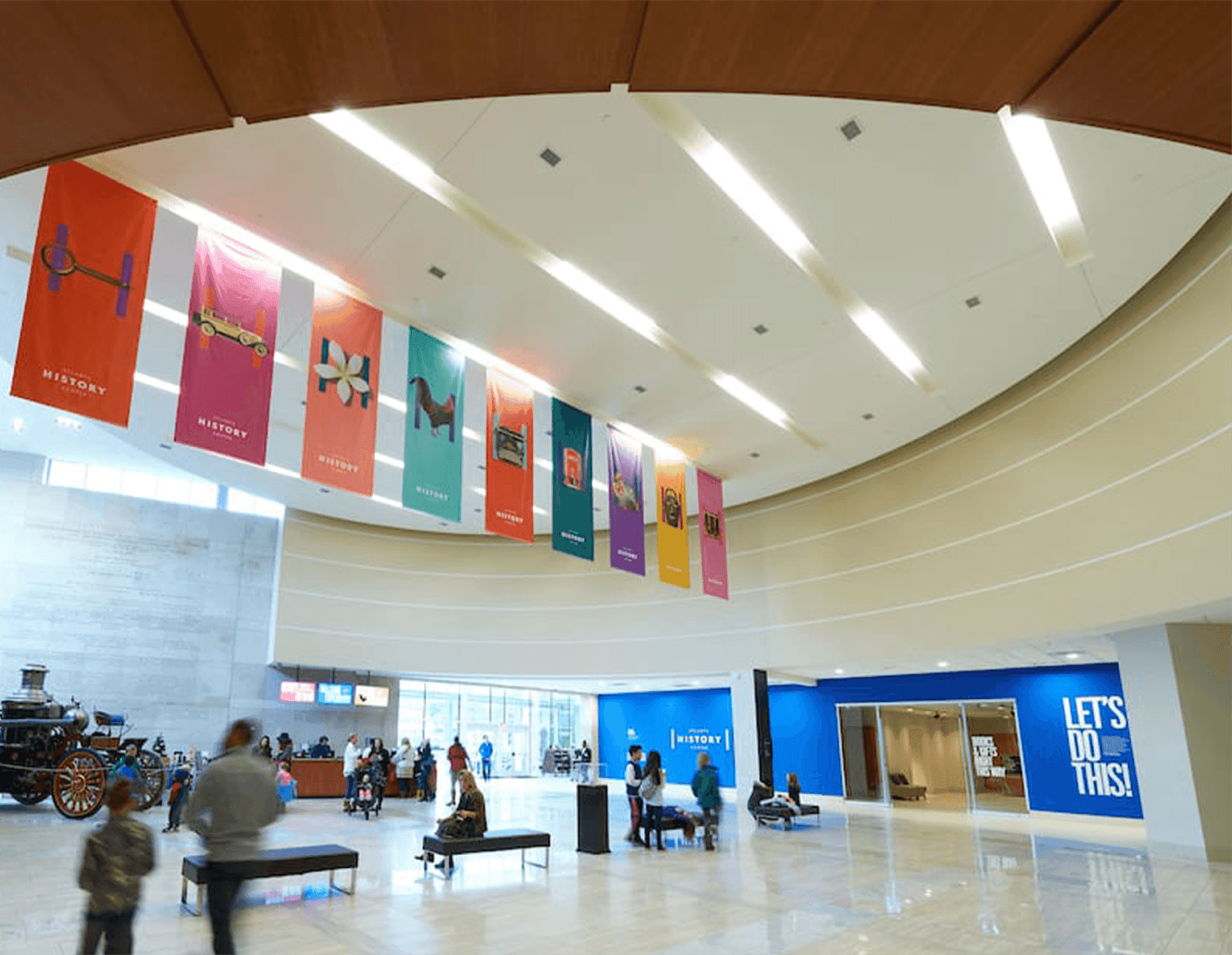
We repositioned the History Center as a place that represents Atlanta for everyone — where anyone across the city could feel welcome, see their life reflected, and understand their own history.
That meant a fundamental shift in posture. Less authority, less expertise, more platform. We moved the institution from telling to inviting — removing the velvet ropes, both literally and figuratively, and making the experience open and participatory. History as something you use and explore, not something you're lectured about.
It also meant escaping the trap of a single period. Instead of one era, we focused on the themes that make Atlanta remarkable — acts of courage, acts of leadership — telling a story of the past that points toward a future everyone can want a part of, whether they're a fifth-generation Atlantan or arrived last year.
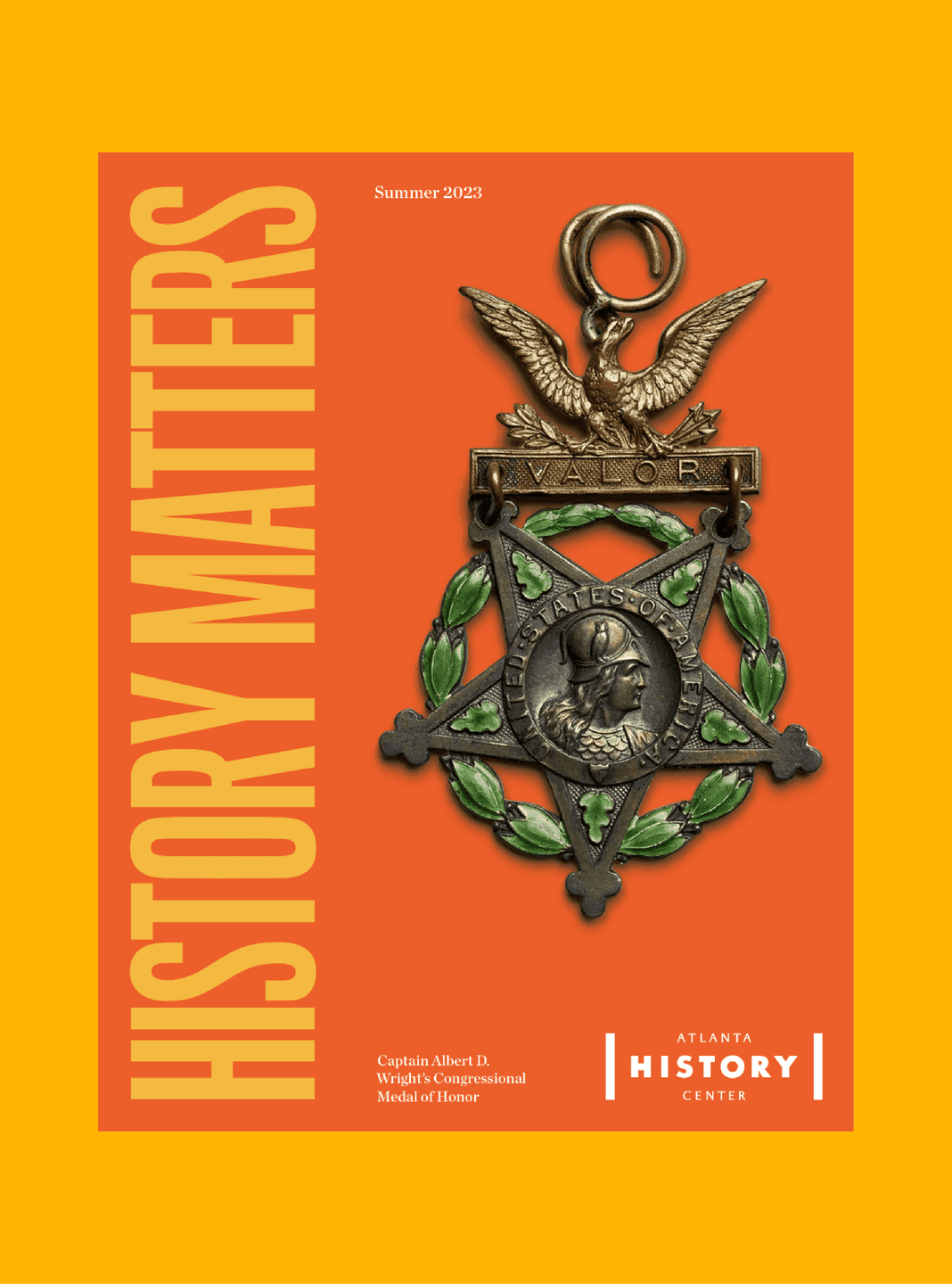
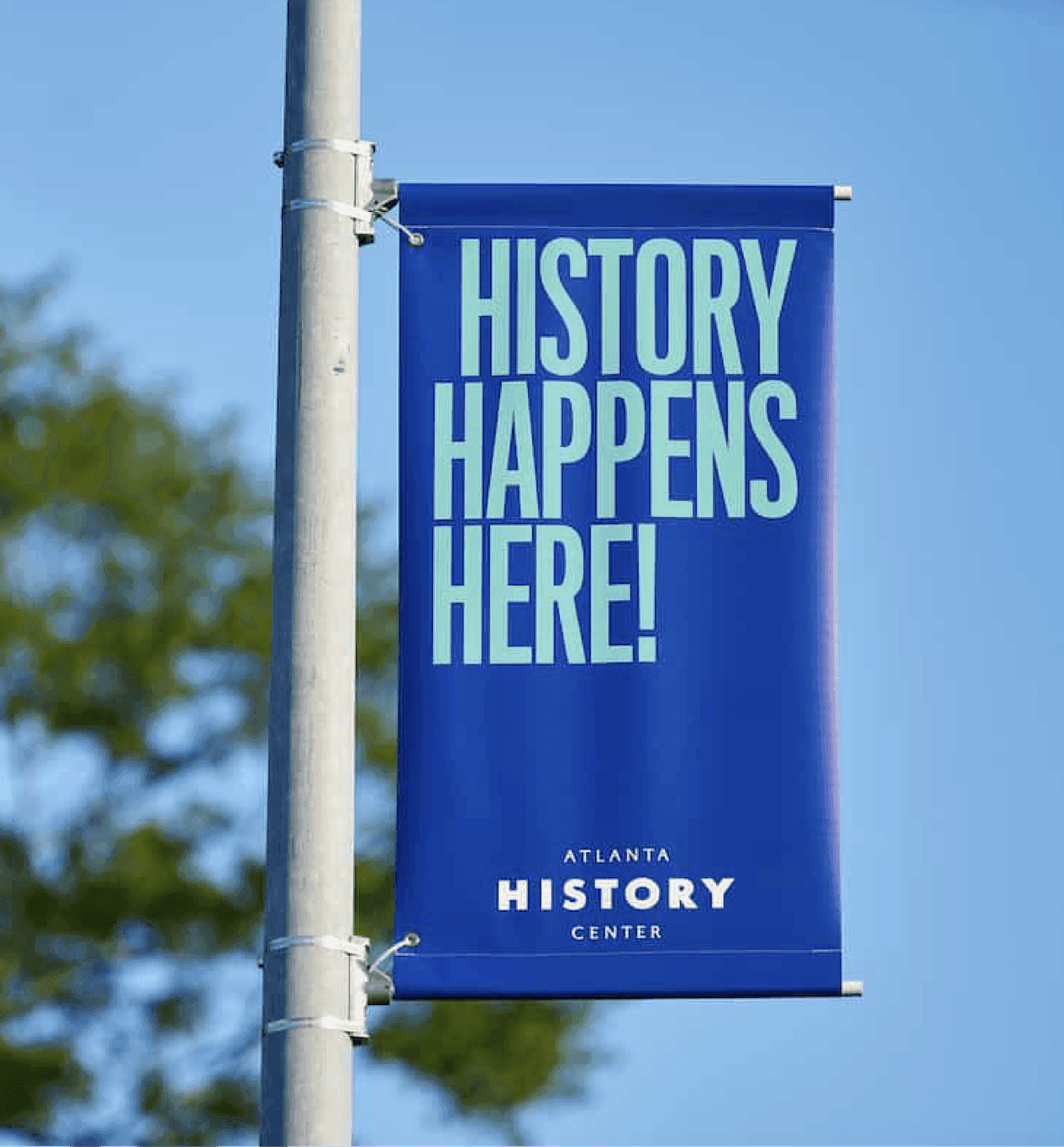
History museums slip easily into the stuffy, rigid, and cumbersome. The identity couldn't. It had to be vivid — a beacon bright enough to make all of Atlanta reconsider what the History Center is. Everything we built had to prove the same point: history is alive right now, and the themes of our past are shaping our future.
"We took down the velvet ropes."
Impact
The repositioning gave the institution language and a look equal to its ambition — and the years since have borne the vision out.
Under Hale's leadership the History Center undertook one of the most significant transformations of any cultural institution in the city, including the campaign to relocate, restore, and reinterpret the Battle of Atlanta Cyclorama — a monumental painting that had spent a century being read as a Lost Cause monument. Rather than avoid that complexity, the History Center leaned into it, presenting the painting as a case study in how the same facts get reinterpreted across time and asking visitors to examine their own perceptions and misperceptions. It's the clearest possible expression of the position: not an authority handing down the past, but a platform inviting Atlanta to think.
That's a history center that belongs to everybody. It's what Sheffield Hale saw, and what we helped Atlanta finally see too.
"Facts do not change. How we understand the past varies widely." — Sheffield Hale
“This is exactly what AHC has needed
for such a long time!”